Mechanism-Guided Inverse Electrolyte Design for Advanced Metal-Ion Batteries
Connecting physical mechanisms to the design of electrolytes for metal-ion batteries.
Publication record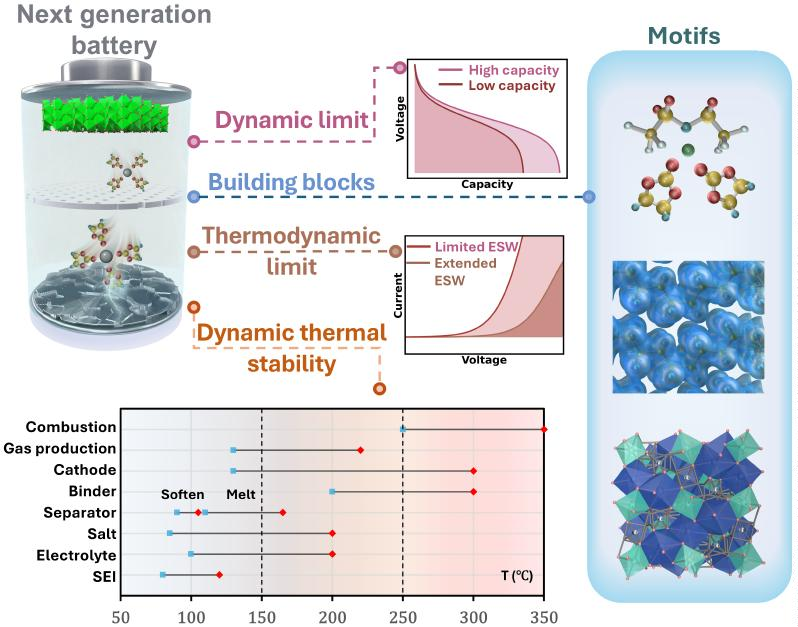

Solid-state physics · first-principles theory
Start with the property a material should have. We combine solid-state physics and first-principles calculations to identify the structures, defects, and chemical conditions that can produce it. Working closely with experimentalists, we connect atomistic mechanisms with synthesis, characterization, and measured properties. Together, we develop testable design rules and use experimental evidence to refine our models.
Led by Dr. Oleksandr I. MalyiInverse Materials Design group
Inverse materials design
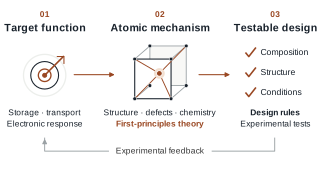
We are a computational materials theory group led by Dr. Oleksandr I. Malyi. We study how atomic structure, defects, disorder, and interfaces determine material properties. First-principles calculations, molecular dynamics, and machine-learning potentials help us turn these mechanisms into testable design rules. Our research spans energy-storage materials, defects and doping, quantum materials, and optical response at interfaces. Across these areas, we develop physical insight and reproducible computational workflows that connect materials predictions with experimental questions.
Energy storage & electrolytes·Defects & doping·Gapped metals & quantum materials·Optical response & interfaces
From the group
Connecting physical mechanisms to the design of electrolytes for metal-ion batteries.
Publication recordAutocatalytic polymerization and interface protection for quasi-solid-state zinc batteries.
Read paper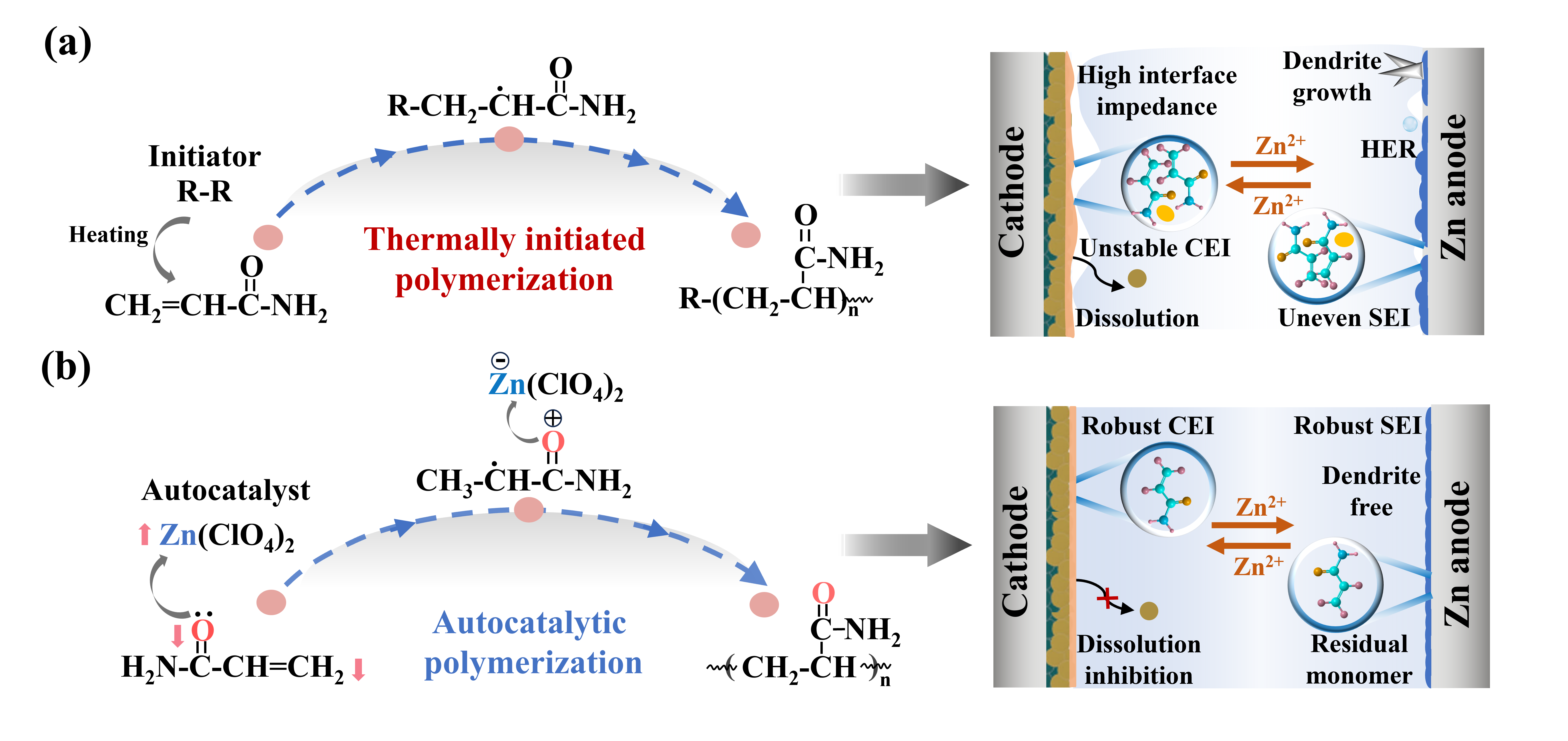
How interlayer spacing and stacking set different design rules for sodium and lithium storage in carbon anodes.
PRX Energy 5, 023010 (2026).
Read paper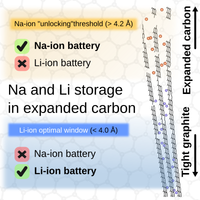
August 2026 · PCCP
Interchain bottlenecks and helical-channel pathways determine Li⁺ transport.
Read paperJune 2026 · People
PEO-based electrolyte research, followed by battery R&D in China.
Alumni2026 · Energy & Environmental Science
Lattice reconstruction and interface chemistry in plateau-type hard-carbon anodes.
Read the paperMay 2026 · People
Gabriel joins the group as a postdoctoral researcher working on hard-carbon sodium-ion anodes.
Group membersNovember 2025 · People
Andrés studies carbon materials and the transferability of machine-learning potentials.
Group membersInterested in a research collaboration or joining the group?